Mobile Companion App
Self-reporting, emotion visualisations, contextual journaling, and insights — all on your phone.
Anxiety disorders affect 1 in 10 people in the UK. MEMoPAD uses wearable devices to monitor emotions, helping people break anxiety loops and have better conversations with clinicians.
Wearable emotion monitoring for anxiety disorders
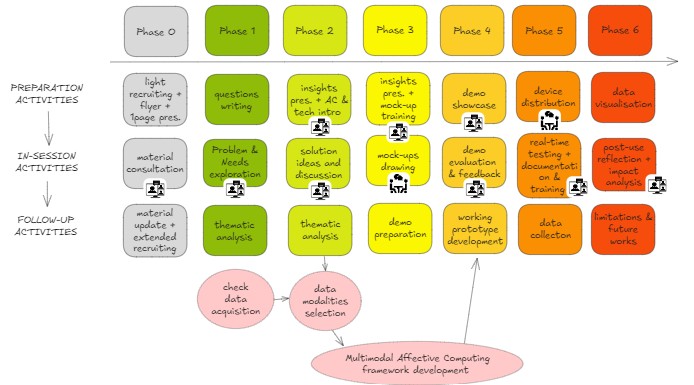
Patients, carers, and clinicians involved in 6 co-design phases
3.5-year PhD scholarship + £10,500 competitive funding
Previous attempts to integrate structured data in mental health have faced persistent challenges: multimodal data is complex to interpret, social stigma delays help-seeking, and poor user engagement leads to high dropout rates.
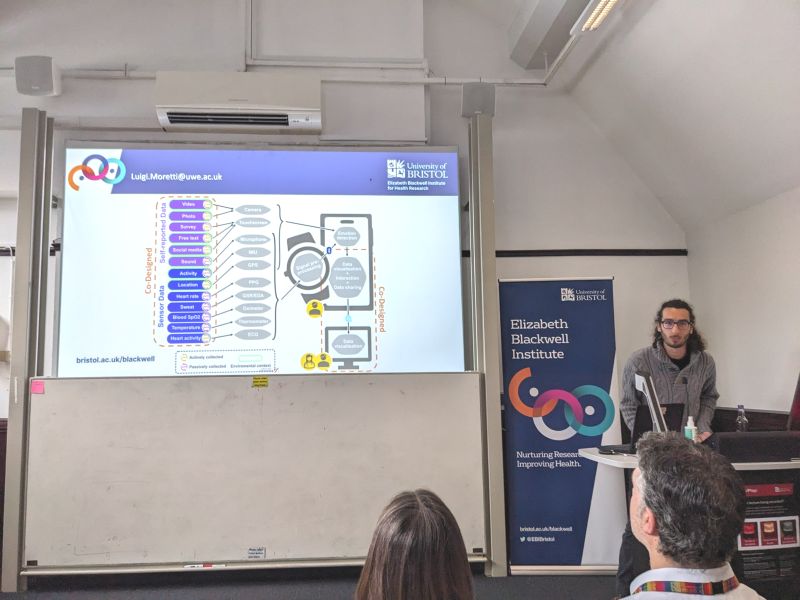
MEMoPAD addresses this by focusing on emotion as a universal common ground. We combine passive physiological sensing from consumer wearables (electrodermal activity, heart rate, skin temperature) with active self-reporting through a companion mobile app, creating contextualised, longitudinal data that is meaningful to both users and their clinicians.
The system is co-designed from the ground up with people with lived experience of anxiety, unpaid carers, and mental health clinicians. The goal: clear, continuous, interpretable emotion data that helps people understand themselves, manage their wellbeing proactively, and have deeper conversations with their care team.
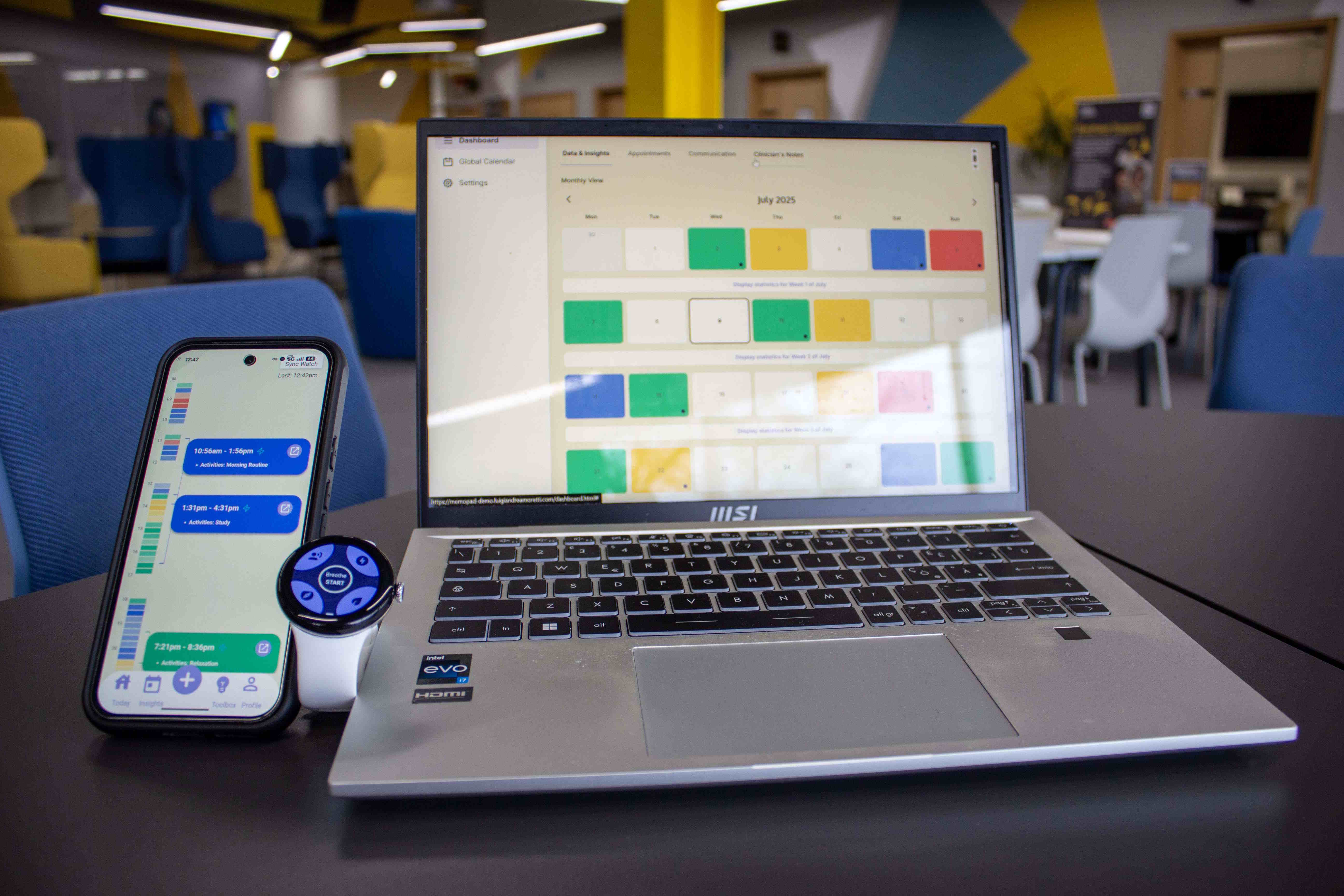
Explore the prototype ecosystem: the mobile companion app, the wearable sensing hardware, and the clinician web dashboard.
Self-reporting, emotion visualisations, contextual journaling, and insights — all on your phone.
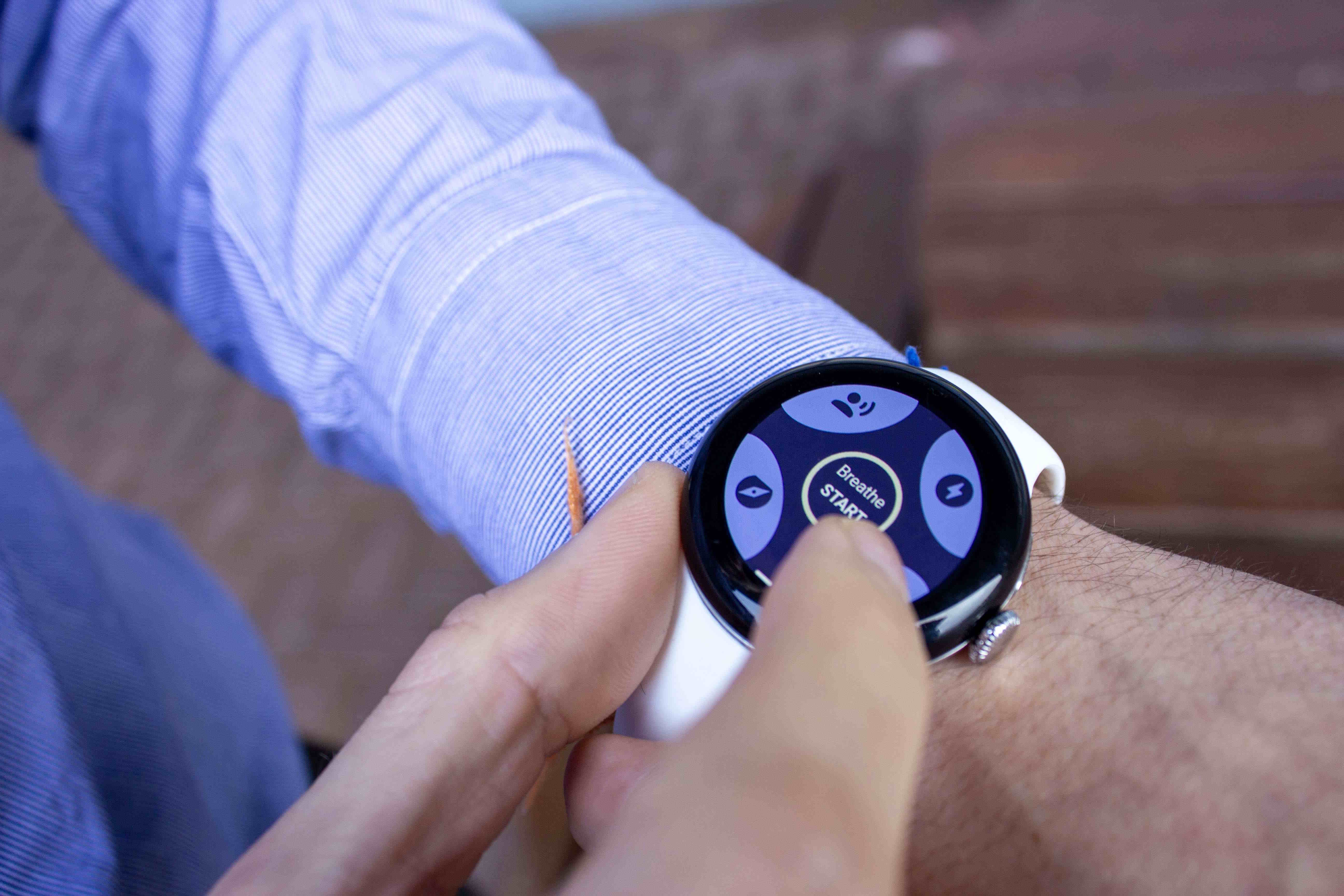
Google Pixel Watch 2 captures continuous electrodermal activity, heart rate, and skin temperature. Milbotix SmartSocks provide a parallel physiological sensing pathway.
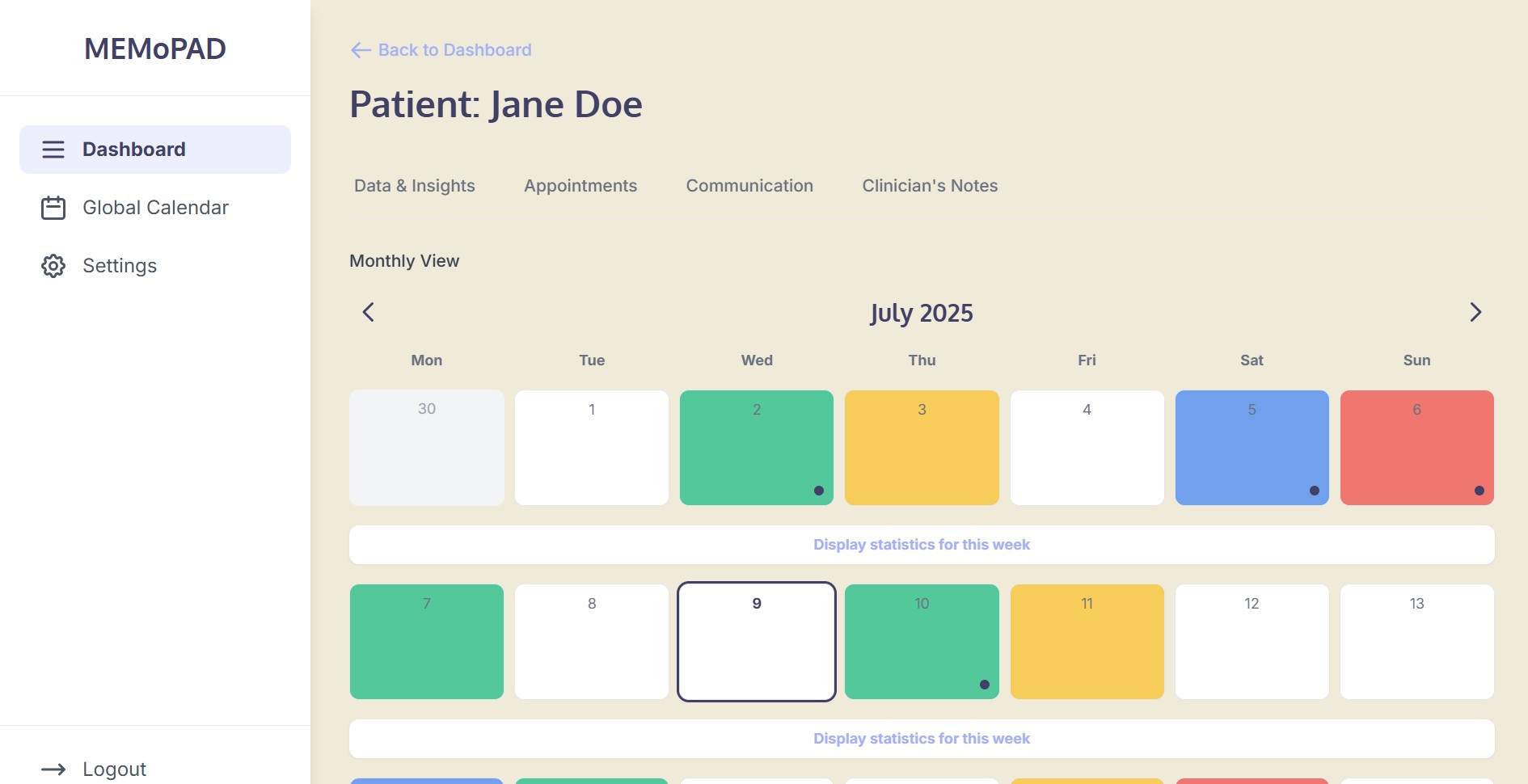
Navigate the clinician-facing dashboard. Click to explore the interactive prototype.
The MEMoPAD project directly supports the UK's 10-Year Health Plan by developing the framework needed to integrate wearable devices and AI into clinical pathways. By empowering patients with their own data, we enable a more personalized approach to care. This focus on prevention addresses a key challenge identified by our co-design participants: supporting individuals in seeking help for the first time. By improving emotional wellbeing and supporting timely help-seeking, MEMoPAD contributes to the wider societal goal of prevention-first healthcare.
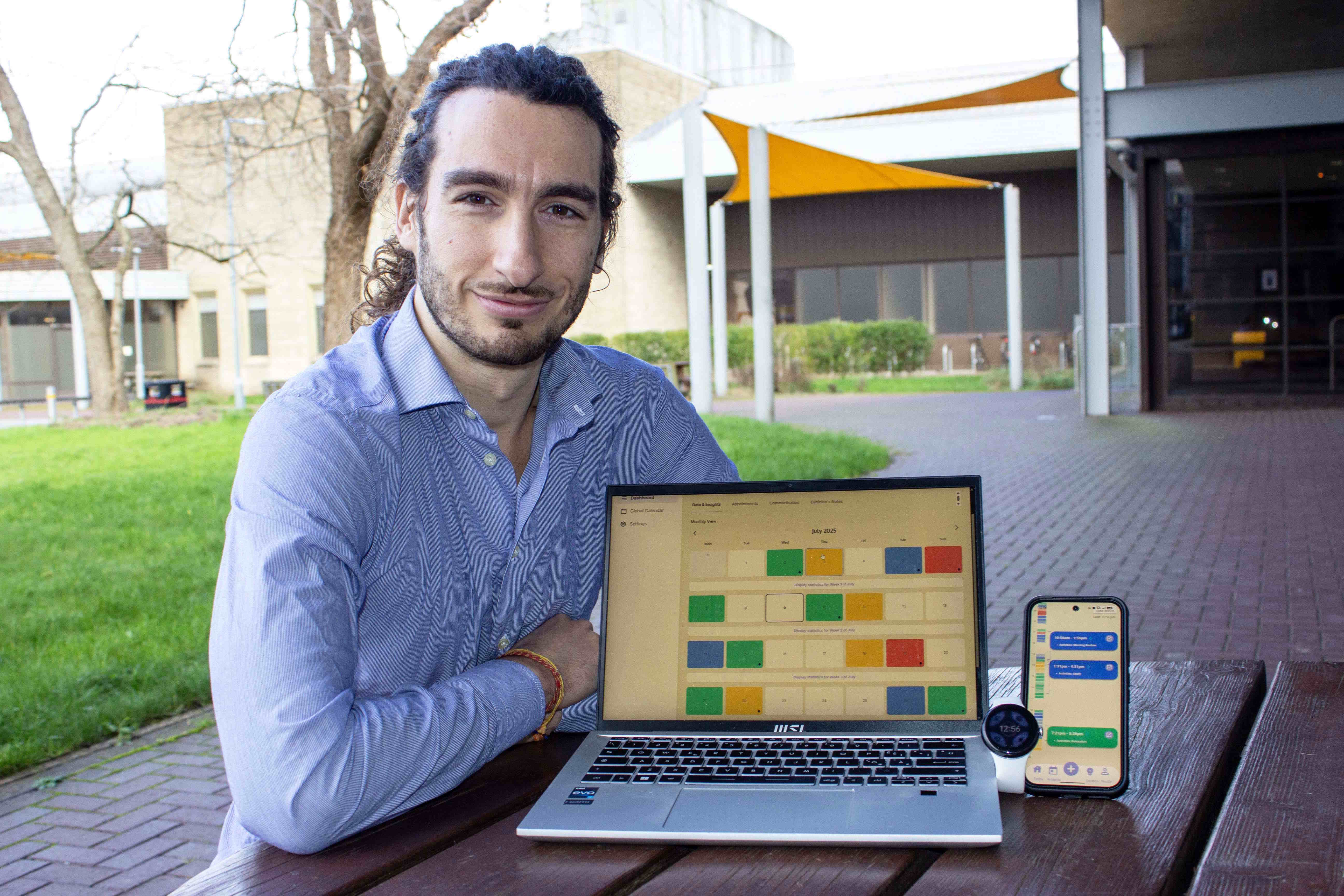
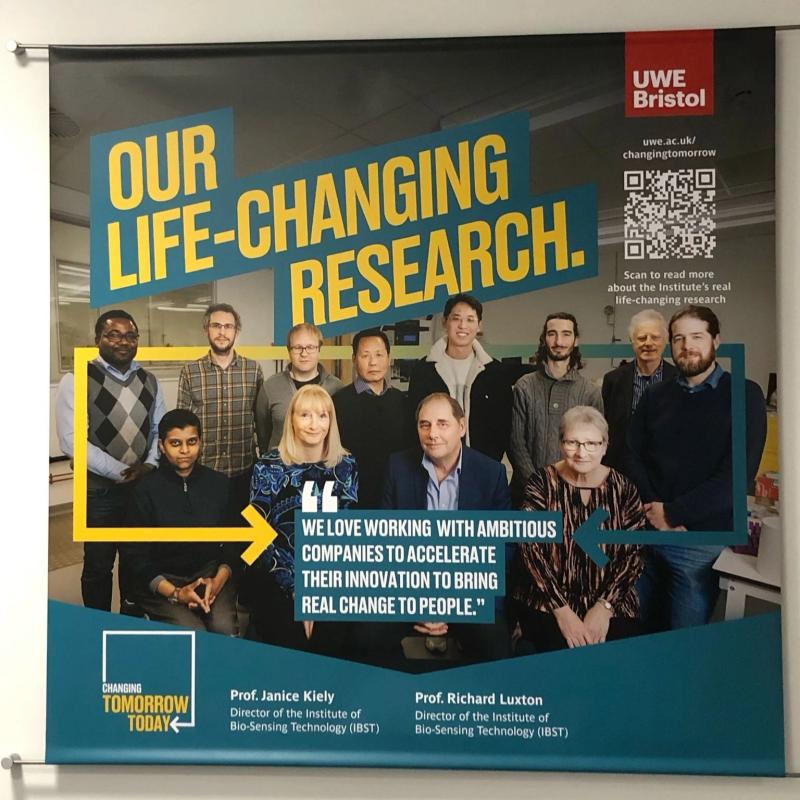
Photo by Marc Rath, UWE Bristol Media Relations
I'm Luigi A. Moretti, medical doctor (MD), former healthtech founder, and PhD candidate at UWE Bristol. I blend clinical insight, product thinking, and research rigour to build technology that clinicians actually adopt and patients genuinely use.
MEMoPAD is my PhD research project. Before this, I co-founded other healthtech projects, including IntelliHearts, a wearable ECG system with emotion recognition.